
Press [Ctrl + F] to search
Pottery
<Ceramics>
尾戸焼
Odo Yaki
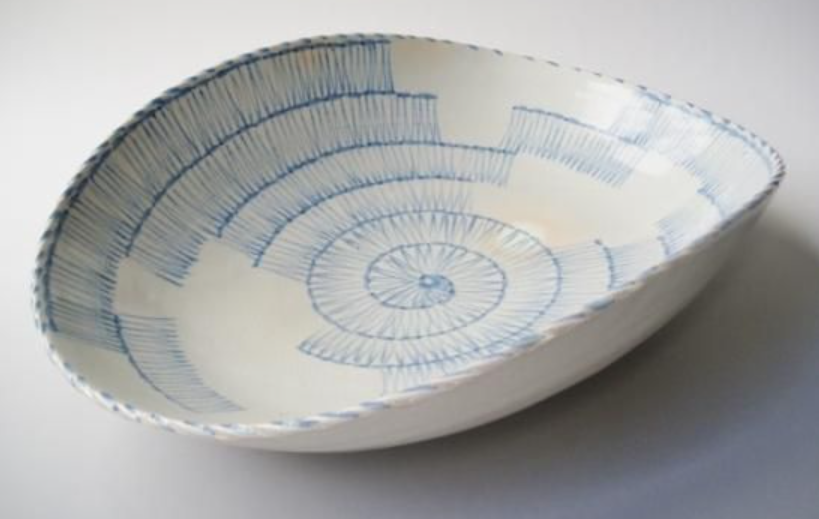

尾戸焼といえば、端正で薄作り、淡色の地肌に藍色の呉須(顔料)で絵付けされたものが代表的。伝統的な絵柄の松竹梅や雲鶴、季節の草木や山水などが、繊細なタッチで描かれている。江戸時代は将軍家や諸大名への贈答品として用いられることが多く、主に作られていたのは茶道具。江戸時代に、尾戸(現在の高知県高知市小津町)で産出した陶器。「尾戸(おど)」は「小津(おづ)」の転訛。
Originating in the mid 1600s, for the creation of pottery in service of the feudal lord of the region, was the practice of Odo Yaki. Whilst always being rooted in Kochi City, Kochi prefecture, the production kilns were moved from just north of Kochi castle to Mt Nocha in 1820. The land around Mt Nocha allowed for the harvesting of high quality clay. Odo ware can be characterised by its light coloured finish and gosu (cobalt blue pigment) painted designs. Traditional designs include delicate renditions of seasonal trees, plants and birds. Today, two kilns producing Odo ware remain. The practice was recognised as a tangible cultural property by Kochi prefecture in 1987.