
Press [Ctrl + F] to search
others
<Bamboo and Wood>
薩摩ボタン
Satsuma Buttons
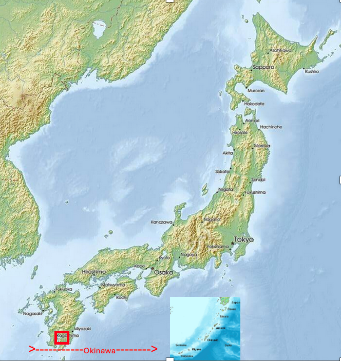
幕末、薩摩藩は幕府に対抗するための軍資金を作りだすため、薩摩焼で培われたノウハウをもとに、藩の御用窯で陶器のボタンを作って海外へ輸出しましたのが始まりです。その魅力は、美しい色絵(いろえ)です。着物と並び日本を代表する芸術品として世界から注目されました。そして、貫入(かんにゅう)と呼ばれる細かなヒビ模様の入ったボタン表面には、まるで高級陶器の壺を思わせる絵が色彩豊かに描かれています。

Satsuma buttons are miniature porcelain artworks created in Japan, mainly during the Meiji era (late 19th–early 20th century), using the same techniques as Satsuma ware— ivory clay, crackle glaze, and delicate overglaze painting with gold. Typically less than an inch across, they feature intricate scenes of flowers, geishas, landscapes, or mythological figures, making each button a tiny hand-painted canvas. Originally functional, they became popular export items and are now collected or repurposed as jewelry. Their value depends on detail, artistry, and condition, with everyday examples selling for modest prices, while finely painted antique sets or works by renowned artists like Yabu Meizan or the Kinkōzan family can command much higher prices.